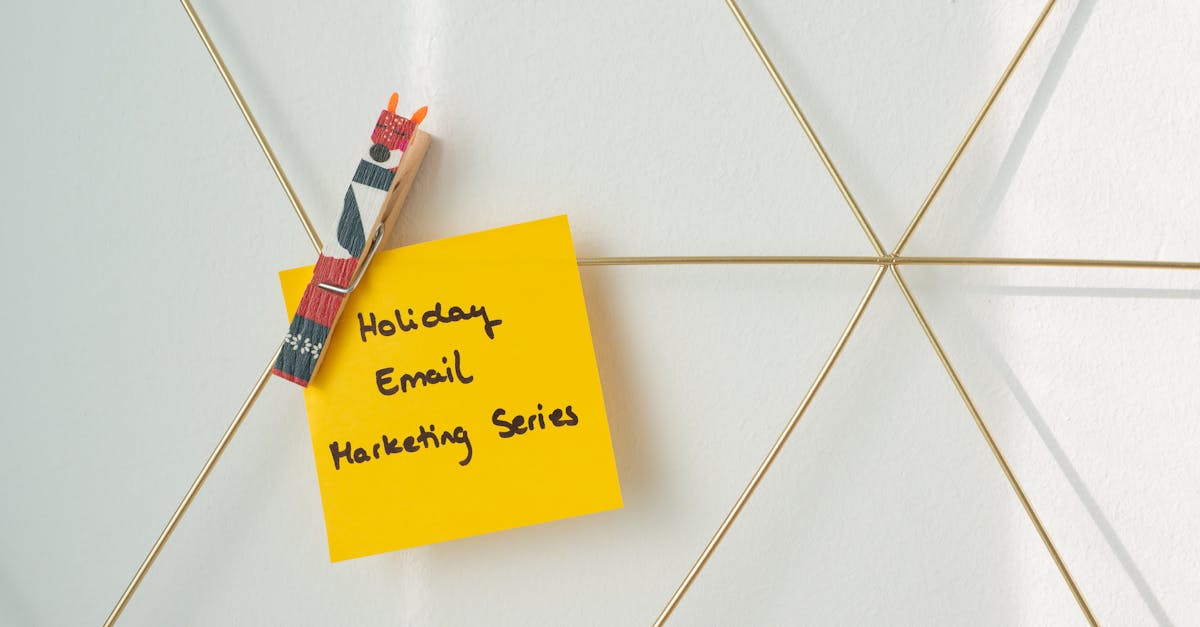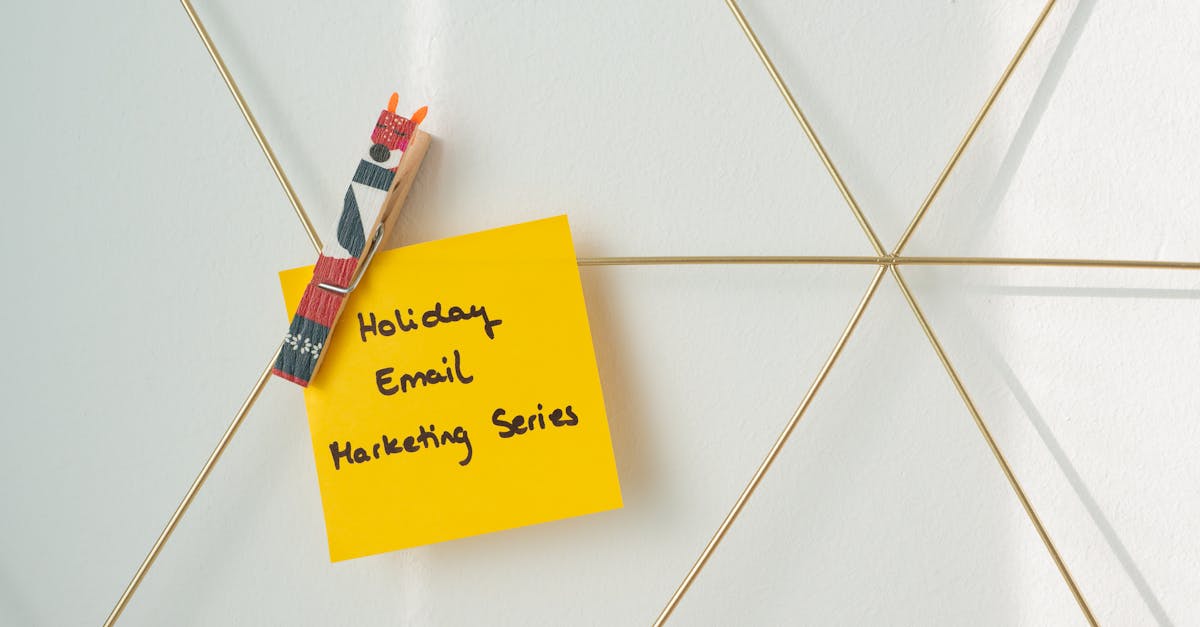
The Power of the Inbox: Why Email Marketing Still Reigns Supreme
Think about your daily digital routine. You likely check your email before you even roll out of bed or pour your first cup of coffee. While social media algorithms change overnight and SEO rankings fluctuate, email remains the one constant bridge between you and your audience. It is personal, direct, and owned by you. Unlike a social media feed where you are at the mercy of a tech giant’s whim, your email list is an asset that stays with you regardless of external changes. If you are not leveraging this channel, you are essentially leaving money on the table every single day.
Building Your Foundation: Developing a Winning Email Strategy
Before you send a single message, you need a roadmap. A strategy without execution is just a daydream, but execution without a strategy is a recipe for wasted time. Ask yourself what you want to achieve. Are you looking to drive direct sales, nurture leads over a long cycle, or keep your brand top of mind for your current customers? Your goal dictates your content, your frequency, and your tone. Think of your strategy as the blueprint for a house. You would not start laying bricks without knowing where the walls go, right?
How to Build a High Quality Subscriber List from Scratch
You might be tempted to buy a list, but let me save you the headache: do not do it. Buying emails is like trying to build a bonfire with wet wood. It is frustrating, inefficient, and potentially toxic for your domain reputation. Instead, build your list organically. Offer genuine value in exchange for a contact address. This could be an exclusive industry report, a discount code, or a helpful mini course. Focus on quality over quantity. Ten engaged subscribers who open every email are worth far more than a thousand dead leads who never click.
The Art of Segmentation: Sending the Right Message to the Right Person
Imagine walking into a shoe store and the clerk tries to sell you winter boots when you are looking for running sneakers. That is what happens when you send generic emails to your entire list. Segmentation is the act of slicing your audience into smaller groups based on behavior, interests, or demographics. When you segment, you show your subscribers that you understand them. It turns a megaphone announcement into a personal conversation. You can segment based on past purchases, sign up date, or even how they interact with previous campaigns.
Crafting Compelling Content That People Actually Want to Read
The secret to great email copy is remembering that there is a human on the other side. Do not write for a computer or a search engine; write for a person who is likely busy and distracted. Keep your paragraphs short. Use punchy sentences. Above all, focus on providing value. Whether it is educational tips, behind the scenes stories, or exclusive updates, your content needs to be worth the precious space in their inbox. If you are always selling, people will tune you out. Use the eighty twenty rule: eighty percent value, twenty percent promotion.
Hooked in Seconds: Mastering the Science of Subject Lines
Your subject line is the gatekeeper. Even if you have written the most life changing email in history, it is useless if nobody clicks to open it. Keep your subject lines curiosity inducing, urgent, or highly relevant. Avoid clickbait that promises the moon and delivers dirt. If you trick people into opening, they will learn not to trust you. Treat the subject line as a teaser trailer for a movie. It should hint at the greatness inside without giving the whole plot away.
Design Matters: Balancing Aesthetics and Functionality
While beautiful graphics are nice, they should never overshadow your message. Many marketers fall into the trap of over designing their emails, leading to slow load times and technical issues on mobile devices. Remember that most people are checking their mail on their phones while on the go. Your design should be clean, responsive, and easy to scan. Use white space effectively to draw the eye toward your primary call to action.
Email Automation: Putting Your Marketing on Autopilot
Automation is your secret weapon. It allows you to nurture leads while you sleep. Set up a welcome series for new subscribers, abandoned cart sequences for potential buyers, and re engagement flows for those who have gone cold. Once you build these funnels, they run in the background, ensuring that no one falls through the cracks. It is like having a digital assistant who works twenty four hours a day without ever needing a coffee break.
Beyond “Hi [Name]”: Taking Personalization to the Next Level
Personalization goes way deeper than just inserting a subscriber name in the greeting. True personalization involves using data to tailor the experience to individual needs. If someone recently bought a specific product, recommend accessories that go with it. If they clicked a link about a specific service, send them a follow up case study. When you leverage data effectively, your subscribers will feel like you are reading their minds.
The A/B Testing Playbook for Higher Engagement
Never assume you know what will work. Test everything. Change the subject line, swap the call to action button color, or rewrite the opening sentence. A/B testing allows you to pit two versions against each other to see which performs better. This data driven approach removes the guesswork from your marketing and creates a culture of continuous improvement.
Key Performance Indicators: Measuring What Truly Matters
How do you know if you are winning? Look beyond the open rate. While opens are important, clicks and conversions are the real measures of success. Monitor your bounce rate, unsubscribe rate, and the overall revenue generated per email. These metrics tell the real story of how well your audience resonates with your message.
Keeping Out of the Spam Folder: Deliverability Best Practices
Deliverability is the invisible wall between you and your audience. If you land in the spam folder, you are effectively invisible. Maintain a clean list, authenticate your domain, and avoid spammy trigger words in your copy. If you have not sent an email in six months, do not blast your entire list at once. Ease back into it so the internet service providers know you are a legitimate sender.
Staying Legal: GDPR, CAN SPAM, and Subscriber Privacy
Do not skip this part. Regulations like GDPR and CAN SPAM exist to protect consumers, and ignoring them can lead to hefty fines. Always provide an easy way to unsubscribe and be transparent about how you collect and store data. Respecting your subscribers’ privacy is not just good for your legal standing; it is a fundamental aspect of building brand trust.
Pitfalls to Avoid: Common Email Marketing Blunders
The most common mistake is failing to provide value. If you treat your list like a billboard, people will stop looking. Other blunders include sending emails too frequently without warning, using broken links, and forgetting to test on mobile devices. Take the time to audit your process periodically to ensure you are not falling into these traps.
The Future of Email Marketing: Trends to Watch
The landscape is shifting toward more interactive content and hyper relevance. We are moving away from static blasts and toward dynamic, personalized experiences inside the email itself. Keep an eye on how artificial intelligence will change content generation and how privacy updates continue to influence tracking. The best marketers are those who adapt quickly to these shifting tides.
Conclusion
Email marketing is far from dead; it is evolving into a more personal and data driven channel than ever before. By focusing on your subscribers, providing consistent value, and constantly testing your methods, you can build a powerful communication channel that drives growth for your business. Start small, stay consistent, and remember that behind every email address is a person waiting for a message that matters to them. Now is the time to start nurturing those connections.
Frequently Asked Questions
1. How often should I send marketing emails?
There is no magic number, but consistency is key. Whether it is weekly or bi weekly, find a rhythm that works for your audience and stick to it so they know when to expect your message.
2. Is buying an email list ever a good idea?
Absolutely not. Buying lists usually leads to low engagement, high spam complaints, and damage to your brand reputation. Always grow your list through opt in forms on your website or social channels.
3. How can I improve my open rates?
Focus on your subject lines and sender name. Ensure your list is segmented so people receive content relevant to their interests, and make sure you are sending emails to active subscribers who actually want to hear from you.
4. What is the most important metric to track?
While open rates are common, the most important metrics are click through rate and conversion rate. These show that your content is actually compelling enough to drive action.
5. Should I include images in my emails?
Yes, but use them sparingly and strategically. Too many images can trigger spam filters and slow down load times. Always ensure your email makes sense even if the images do not load properly.